
Oui, mais uniquement s’ils respectent les règles des vélos à assistance électrique. Beaucoup de modèles populaires sont en réalité illégaux.
Les fatbikes sont-ils légaux en Belgique ? Toutes les règles
Les fatbikes sont devenus extrêmement populaires ces dernières années en Belgique, surtout auprès des jeunes. Leurs larges pneus, leur design robuste et souvent un moteur électrique les rendent attractifs pour de courts trajets en ville. Pourtant, beaucoup d’incertitudes subsistent : les fatbikes sont-ils légaux en Belgique, et à quelles règles faut-il se conformer ?
Dans cet article, nous passons en revue la législation belge, les risques liés aux fatbikes trafiqués, les amendes possibles et les conseils pour rouler en toute sécurité.
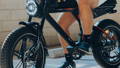
Qu’est-ce qu’un fatbike ?
Un fatbike se reconnaît immédiatement : des pneus extrêmement larges d’au moins 4 pouces, à l’origine conçus pour rouler sur le sable ou la neige. Aujourd’hui, ils sont devenus une véritable tendance en milieu urbain. Les jeunes en particulier aiment les utiliser sur la voie publique.
Mais voici le problème : de nombreux fatbikes électriques dépassent les limites légales fixées pour les vélos à assistance électrique. Certains modèles sont équipés d’un moteur bien trop puissant ou atteignent des vitesses supérieures à 25 km/h. Dans ce cas, la loi belge les considère comme des cyclomoteurs. Circuler sans assurance, plaque d’immatriculation ou casque revient alors à prendre un gros risque et expose à une lourde amende.
Pourquoi les fatbikes trafiqués sont-ils dangereux ?
La police belge et VRT NWS avertissent : les fatbikes trafiqués représentent un danger sur la route. Les principaux risques :
- Vitesse excessive : passer de 25 km/h à 45 km/h peut sembler séduisant, mais le vélo devient alors un cyclomoteur au regard de la loi et augmente considérablement le risque d’accident.
- Distance de freinage plus longue : les fatbikes sont lourds et pas toujours équipés de freins puissants.
- Conducteurs inexpérimentés : souvent des jeunes, sans permis ni connaissance du code de la route.
- Confusion dans la circulation : les automobilistes et autres cyclistes ne savent pas toujours s’ils ont affaire à un vélo électrique ou à un cyclomoteur.
- Facilité de débridage : grâce à des kits ou tutoriels en ligne, le débridage est un jeu d’enfant, ce qui multiplie les fatbikes illégaux sur la route.
La législation belge pour les fatbikes électriques
La loi distingue clairement trois types de deux-roues électriques :
Vélo à assistance électrique classique
- Moteur max. 250 W
- Assistance au pédalage jusqu’à 25 km/h
- Pas de permis, assurance ou casque obligatoires
- Assistance au pédalage jusqu’à 45 km/h
- Puissance jusqu’à 4.000 W (en pratique, 500–750 W sur les modèles légaux)
- Casque conforme obligatoire
- Assurance, plaque et permis AM requis
Fatbike électrique avec accélérateur ou moteur trop puissant
- Considéré automatiquement comme un cyclomoteur
- Sans plaque, assurance et casque : infraction
- La police peut saisir le vélo et infliger une lourde amende
En résumé : utiliser un fatbike trafiqué en Belgique revient à conduire un cyclomoteur illégal. C’est risqué sur la route et juridiquement problématique en cas d’accident.
Amendes et conséquences pour les fatbikes illégaux
Un fatbike trafiqué est sévèrement sanctionné en Belgique. Les conséquences possibles :
- Saisie du vélo
- Amendes administratives (GAS) de plusieurs centaines d’euros
- Poursuites judiciaires en cas d’accident
- Pas d’assurance : tous les frais de dommages retombent sur vous (ou vos parents)
Conseils pour rouler en toute sécurité avec un fatbike
Vous souhaitez quand même profiter d’un fatbike légal ? Voici quelques recommandations :
- Vérifiez toujours que le moteur ne dépasse pas 250 W et que la vitesse maximale reste de 25 km/h.
- Portez un casque, même si ce n’est pas obligatoire pour les vélos électriques.
- Installez un bon éclairage : les fatbikes, larges, sont peu visibles la nuit.
- Redoublez de prudence en ville, surtout dans la circulation dense.
- Entretenez régulièrement vos freins et vos pneus.
- Ne débridez jamais votre fatbike : c’est illégal et extrêmement dangereux.
Conclusion
Un fatbike électrique peut être légal en Belgique, à condition de respecter les règles applicables aux vélos à assistance électrique : pas plus de 25 km/h et une puissance maximale de 250 W. Au-delà, il entre dans la catégorie des cyclomoteurs et nécessite une plaque, une assurance, un permis et un casque.
Acheter ou utiliser un fatbike trafiqué expose à des amendes, à la saisie du vélo et à des problèmes juridiques graves en cas d’accident.
En bref : pour profiter de votre fatbike en toute tranquillité, contrôlez bien ses spécifications et respectez la loi.
Foire aux questions
Les fatbikes sont-ils légaux en Belgique ?
Quelles sont les règles pour un fatbike électrique ?
Puissance maximale de 250 W et assistance jusqu’à 25 km/h. Plus rapide ou plus puissant = cyclomoteur.
Ai-je besoin d’un permis pour un fatbike ?
Seulement si sa vitesse dépasse 25 km/h ou si la puissance est supérieure à 250 W.
Mon enfant peut-il rouler avec un fatbike ?
Oui, à condition qu’il s’agisse d’un modèle légal. Un fatbike trafiqué est interdit sans permis, casque et assurance.