
Mid-engine or rear-engine: which is right for you?
When buying an electric bike, one of the most important choices to make is between a central motor and a rear motor. Each has its advantages and disadvantages. Which best suits your riding style? Here's an overview of the differences, advantages, disadvantages and my advice.

The central motor: power at the heart of the bike
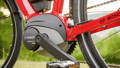
The central motor is located at the bottom bracket, exactly in the middle of the bike. This provides a very natural assistance, as if you simply had extra muscle power. Many describe the sensation as "a little nudge in the back, without even realizing it".
Central motor features
- Location: low and centered, at pedalboard level
- Average torque: 50-85 Nm
- Weight: ± 3-4 kilos
- Sensors: torque, cadence and often speed
- Ideal for: hills, long distances, sports use
Benefits
- Natural driving feel and smooth assistance
- Good weight distribution → stability and predictable behavior
- Excellent for hilly terrain
- Often more powerful than a rear engine
- Easier rear wheel change
Disadvantages
- Higher purchase price
- Increased chain and sprocket wear
- The motor may be slightly audible, especially on older models.
The rear engine: thrust from the rear
The rear motor is integrated into the rear wheel hub. Assistance feels like a gentle push from behind. Very pleasant in town, but less natural than with a central motor.
Rear motor features
- Location: integrated into the rear wheel
- Average torque: 30-60 Nm
- Weight: ± 3-4 kilos, on the rear of the bike
- Sensors: generally cadence and speed
- Ideal for: urban commuting, flat terrain, recreational use
Benefits
- Often less expensive to buy
- Virtually silent assistance
- Less chain wear
- Compatible with integrated gear hub or belt drive
Disadvantages
- Less natural feeling of assistance
- Less powerful on slopes or in strong winds
- Weight concentrated at the rear → balance sometimes affected
- More difficult to change rear wheel
Mid-engine vs. rear-engine: summary
| Features | Central engine | Rear motor |
|---|---|---|
| Sensation | Natural, fluid | Light thrust |
| Couple | 50-85 Nm | 30-60 Nm |
| Use | Ribs, long distances | City, flat terrain |
| Weight | Centered, stable | At the rear, less balanced |
| Maintenance | Chain wears out faster | Less chain wear |
| Price | Higher | More affordable |
| Noise | Sometimes audible | Generally quiet |
Bonus: fuel consumption and range
An aspect often overlooked: energy consumption.
- Mid-mounted motor: more economical for long distances and uphill gradients → greater range.
- Rear motor: consumes more power at higher speeds → battery drains faster.
For long-distance riders or those who regularly tackle hills, the mid-mounted engine is more durable and offers greater autonomy.
Tips for the right choice
Choose a central motor if :
- you often ride on hilly terrain,
- you travel long distances,
- you're looking for stability and sporty handling.
Choose a rear motor if :
- you mainly make short urban trips,
- you're looking for a quiet, affordable option,
- you prefer to limit transmission maintenance.
Conclusion
There's no such thing as a "universally better" engine: it all depends on your application.
- Central motor: powerful, versatile, natural feel, but more expensive and more wear.
- Rear engine: quiet, economical, easy to maintain, but less suited to hills.
My advice: first think about where you'll be doing the most kilometers.
- In town and on flat terrain, the rear engine is more than sufficient.
- For long distances or hilly routes, the investment in a mid-mounted motor is well worth it.