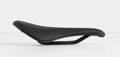
How do I choose the right road bike saddle?

Choosing the right road bike saddle is one of the most important decisions any cyclist can make. The saddle plays a major role in how much you enjoy riding. An ill-fitting saddle will inevitably lead to pain, numbness, and, in extreme cases, long-term injuries. Conversely, a well-fitting saddle is the foundation for strong performance and long, comfortable rides. We’re here to help you make the right choice.

road bike saddle

Written by: Dieter Devriendt | May 29, 2026 | Reading time: 6minutes

Learn more about the author: Dieter Devriendt


Journalist Dieter writes passionately and expertly about the world of cycling. Under the motto "we write – we ride," he gladly shares his experience with cyclists to make their lives easier, both on and off the saddle.

Key findings

  1. A well-fitting saddle prevents discomfort and improves comfort, posture, and power transfer while pedaling.
  2. Road bike saddles vary in shape and design; therefore, the right model depends on your flexibility, riding style, and personal preferences.
  3. The best way to choose a saddle is to consider the width of your sit bones, your riding position, the padding, and practical testing.

The Usefulness and Importance of a Bicycle Saddle

A bike saddle is much more than just a place to sit. Along with the pedals and handlebars, it is one of the three points of contact between the rider and the road bike. Its primary function is to support the rider’s weight while providing a stable platform for efficiently transferring power to the pedals. The importance of a properly fitted saddle cannot be overstated.

When road cycling, you spend hours in a relatively static, forward-leaning position. A good saddle distributes pressure evenly across the sit bones and relieves pressure on the soft tissues and nerves of the perineum. When a saddle doesn’t fit your anatomy, excessive pressure is placed on blood vessels and nerves. This can cause numbness, irritation, and severe pain.

A perfectly fitted saddle prevents these discomforts, improves your riding position, and allows you to channel all your energy into pure speed.

The Different Types of Road Bike Saddles

road bike saddle

The market for road bike saddles is extremely diverse. To make the right choice, it’s important to understand the different types and their specific features. Saddles can be classified based on their shape, profile, and design.

Flat or rounded stools

Flat saddles have a nearly straight surface from the nose to the rear. They are ideal for flexible riders who frequently change positions while riding. You can easily move forward on the saddle during a steep climb or shift back to improve aerodynamics.

Round or contoured saddles are slightly raised at the back and have a slight indentation in the center. This type is particularly suitable for less flexible cyclists who tend to stay seated in the same spot. The raised rear provides better pelvic support and increases stability on the bike.

Seats with or without a center cutout

Many modern saddles feature a deep central hole or channel. This design is specifically intended to reduce pressure on the soft tissues and perineum. It promotes better blood circulation and helps prevent numbness.

Traditional saddles feature a closed shell that distributes pressure over a larger surface area. Cyclists who naturally experience little pressure on their soft tissue often find these models more comfortable, as they don’t feel the edges of a central opening.

Short or long seats

A recent trend involves shorter saddles with a wider nose. These models naturally position the rider in an aggressive, aerodynamic stance without the saddle nose getting in the way of movement. They provide excellent stability when riding with your hands on the lower part of the handlebars.

Traditional long saddles allow for greater freedom of movement on the saddle. They are versatile and suitable for cyclists who like to adjust their position depending on the terrain.

How do I choose the right road bike saddle?

Finding the perfect saddle is a very personal process: unfortunately, there is no one-size-fits-all solution. To choose the right saddle, you need to take it step by step, keeping the following factors in mind.

Step 1: Measure the width of your sit bones

road bike saddle

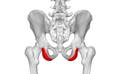
The width of the saddle should match the distance between your sit bones exactly. If the saddle is too narrow, your sit bones will extend beyond the edges, and pressure will be transferred to the soft tissue. If it is too wide, it can cause chafing on the inner thighs.

You can measure the width of your sit bones yourself by sitting on a piece of corrugated cardboard and measuring the distance between the two deepest indentations. Many specialty stores also carry dedicated digital measuring mats.

Step 2: Assess your flexibility and posture

Your flexibility affects the angle of your pelvis on the saddle. If you can easily touch your toes with your legs straight, your pelvis tilts less forward: you are considered flexible. A flatter saddle is often the best choice in this case.

If you’re less flexible and can only reach your knees or shins, your pelvis will tilt further forward, putting you in a more athletic position. A rounded or contoured saddle will provide better support for your pelvis.

Step 3: Choose the padding and materials

More padding doesn’t automatically mean more comfort. For long road rides, a firmer saddle with dense padding (high-density foam or gel) is generally preferable. Saddles that are too soft cause the sit bones to sink in, which ultimately shifts the pressure to the surrounding soft tissues.

The rails also play an important role: carbon rails are very lightweight and effectively absorb vibrations. Titanium or manganese rails are more durable and more affordable.

Step 4: Test and adjust

The ultimate test is still real-world use. Take advantage of the trial programs offered by specialty stores. Many brands let you test a saddle for several weeks.

When installing the saddle, it’s also important to ensure it’s properly adjusted: the saddle should be positioned horizontally, at the correct height, and with the correct setback. Even the best saddle can cause pain if it’s not adjusted properly.

Conclusion

Choosing the right road bike saddle is an investment in your comfort and health. By taking your body type into account—especially the width of your sit bones and your flexibility—you can narrow down your search much more effectively.

Whether you ultimately choose a flat, rounded, short, or cut-out saddle will depend on your personal preferences and riding style. Take the time to try out different models and gradually adjust the settings. Once you find the saddle that’s perfectly suited to your body, the discomfort will disappear, and you’ll be able to fully enjoy long hours on the bike.

FAQ

Why is a good bike seat so important?

A good saddle supports the sit bones, reduces pressure on sensitive areas, and prevents pain, chafing, and numbness during long rides.

How do you choose the right saddle width?

The right width depends on the distance between your sit bones. A saddle that is too narrow or too wide causes discomfort and reduces support.

Are soft saddles more comfortable for long distances?

Not necessarily. For long rides, a firmer saddle often provides more comfort because the pressure is distributed more evenly across the sit bones.

Do you still have questions?

Contact us by email: support@upway.shop