
À quoi faut-il faire attention lors de l’achat d’un fatbike ?
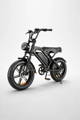
Un fatbike se vend tout seul. N’est-ce pas ? Les pneus sont larges, le cadre bas… bref, il donne vraiment l’impression de pouvoir rouler partout. C’est vrai, mais seulement si vous posez les bonnes questions avant de l’acheter. Quelle est la puissance du moteur ? Pourrez-vous encore commander une batterie dans deux ans ? Les documents fournis sont-ils conformes ? C’est là toute la différence entre un vélo qui dure des années et un jouet qui fait bonne impression jusqu’à la première panne.
Écrit par : Jos Mans | 7 Avril 2026 | Temps de lecture : 5 minutes

À propos de l’auteur : Jos Mans
Jos est écrivain et cycliste, le plus souvent les deux à la fois. Avec des milliers de kilomètres dans les jambes et tout autant de mots sur le papier, il réunit ses deux grandes passions : être en mouvement et raconter des histoires.
Principales conclusions
- La légalité prime sur l’apparence. Aux Pays-Bas, un fatbike n’est légal que si le moteur ne dépasse pas 250 watts, que l’assistance s’arrête à 25 km/h et qu’elle fonctionne uniquement lorsque vous pédalez. Vérifiez cela avant l’achat.
- Le modèle le moins cher est rarement le plus économique. Les importations obscures manquent souvent de documentation, de solutions de remplacement de batterie et de service après-vente — pourtant indispensables après 18 mois.
- Le fatbike n’est pas le meilleur choix pour tout le monde. Pour les trajets quotidiens sur asphalte, un vélo électrique urbain classique est plus léger, plus efficace et plus facile à entretenir.
Différence entre un e-bike classique et un fatbike
| Critère | Fatbike | E-bike urbain |
|---|---|---|
| Confort sur pavés/sable | ✓ Excellent | ◑ Correct |
| Efficacité sur asphalte | ✗ Moyenne | ✓ Excellente |
| Poids | 25–30+ kg | 18–24 kg |
| Autonomie | 40–70 km | 60–120 km |
| Coûts d’entretien | Plus élevés (pneus, freins) | Plus faibles |
| Vérification légale requise ? | Oui, toujours | Conforme de base |
| Adapté au trajet domicile-travail | ◑ Moins logique | ✓ Très bon choix |
Question principale : ce vélo est-il légal ?
Qualité : cadre, freins et moteur
Batterie et service : le vrai coût
- La marque de la batterie est-elle indiquée ?
- Est-elle amovible ?
- Quel est le coût de remplacement ?
- Existe-t-il un service après-vente ?
Un fatbike vous convient-il vraiment ?
- vous roulez souvent sur pavés, sable ou routes en mauvais état,
- vous privilégiez le confort,
- vous acceptez le poids en échange de stabilité et d’adhérence.
- vous roulez quotidiennement sur asphalte,
- vous cherchez efficacité et légèreté,
- vous avez besoin d’une grande autonomie.