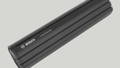
Problems with Bosch e-bike batteries: causes and solutions

Bosch is known for offering some of the most reliable and advanced batteries on the e-bike market. Many users report impressive performance in real-world use: some batteries easily reach 14,000 miles (over 22,000 kilometers) or continue to perform very well even after years of heavy use.


However, like all lithium-ion batteries, those in e-bikes are subject to natural wear and tear and may, over time, develop malfunctions. Whether it’s a battery that suddenly refuses to charge after a vacation or a sudden and frustrating drop in range, these issues can significantly disrupt the riding experience.


In this article, we review the most common issues with Bosch e-bike batteries, their causes, and possible solutions.

Bosch battery

Written by: Hanna Stevens | April 2, 2026 | Reading time: 6 minutes

More about the author: Hanna Stevens


Hanna is an avid cyclist who loves exploring new routes and sharing her experiences to inspire others to get on their bikes more often.

Key findings

  1. Use the 20–80% charge rule to extend battery life
  2. Many problems aren't caused by a malfunction, but by poor connections
  3. Surprisingly often, a reset can solve the problem

Problem 1: The battery no longer turns on and won't charge

A common problem is that the e-bike no longer provides assistance and the battery seems completely “dead.” Even when you press the power button, none of the LEDs light up, and the charger doesn’t seem to be working either. This often happens after a period of inactivity, such as after a vacation.

Causes

This type of malfunction may be caused by a deep discharge or a temporary communication error in the battery management system (BMS). Genuine Bosch chargers only supply power after a successful communication ("handshake") with the battery. In the event of an internal malfunction, charging is therefore blocked. Very low voltages, such as 0.4 V, can sometimes be measured across the charger terminals.

Solutions

  • Reset procedure: Remove the battery from the bike and press and hold the power button for 15 seconds without releasing it to perform a full reset.
  • Let the battery rest: if nothing happens, leave the battery out of the bike for at least an hour, without trying to turn it on or charge it.
  • Reconnect: Then reconnect the battery to the Bosch charger and let it charge fully as soon as the process begins.
  •  If that doesn't work, consult a dealer for a professional diagnosis.

Problem 2: Sudden or rapid loss of battery life

Many cyclists notice that, over time, the battery life decreases significantly. Whereas the battery used to allow for long rides, it now drains much more quickly.

Causes

The average lifespan of a Bosch battery is 3 to 8 years, or approximately 500 to 1,500 charge cycles. However, user behavior plays a crucial role. Consistently charging the battery to 100% and storing it at full charge for long periods of time is very harmful to lithium-ion cells.

Extreme conditions (intense heat or cold), frequent use on hilly terrain, or constant use of the maximum assistance mode also accelerate wear and tear.

Solutions

  • Apply the 80–20 rule: keep the charge between 20% and 80% as much as possible.
  • Proper winter storage: Store the battery indoors in a dry, cool place (0–20 °C) with a charge level between 30% and 60%.
  • Optimize your ride: use a lower assistance level on flat terrain and avoid excessive rapid charging.

Problem 3: Connection errors and display malfunctions

Sometimes the display (such as the Bosch Intuvia) still shows 60% battery life even though the pedal assist is no longer working, or the percentage remains stuck.

Causes

By default, the Bosch Intuvia display shows the last known charge level, which can be misleading if there is a problem. If communication between the battery and the display is disrupted (due to dirt, poor contact, or the battery not being properly seated), the system may freeze.
On some models with a battery mounted on the luggage rack, the fit is sometimes too tight, preventing it from locking into place properly.

Solutions

Remove the battery and inspect the contacts. Clean the connectors with a soft, dry cloth, and apply a small amount of grease if necessary to prevent corrosion. Also clean the contacts on the screen. Make sure the battery snaps into place with a distinct “click.”

Problem 4: Defective internal cells or internal damage

Although rare, a battery can fail after only a short period of use. For example, some batteries become unusable after just a few dozen kilometers due to a defective cell.

Causes

Despite strict quality controls, a cell may have a manufacturing defect. In addition, a fall or a violent impact can damage the internal structure or disrupt the BMS.

Solutions

Never attempt to open or repair a Bosch battery yourself. Doing so will compromise the seal and pose serious risks (short circuit, fire).

Always take the battery to an authorized dealer. They will be able to perform a thorough diagnostic check using specialized software.

  • Under warranty (2 years), defects are generally covered.
  • If the warranty has expired, you can choose to have the device recycled or professionally refurbished (with replacement of the cells).

Maintenance tips for maximum safety

Always follow these rules:

  • Use only genuine chargers: they are designed specifically for Bosch batteries.
  • Handle with care: Never use a water jet or pressure washer on electrical components.
  • Safe charging: Charge the battery in a dry place equipped with a smoke detector, and avoid leaving it to charge unattended overnight.

Conclusion

A Bosch battery is a state-of-the-art piece of technology that can last for many years if used properly. By following proper charging practices, avoiding extreme temperatures, and regularly maintaining the connections, you can easily extend its lifespan.

If you encounter a problem, always start by performing the 15-second reset; if the issue is more serious, consult a specialist.

You can add custom HTML/CSS/JavaScript or Liquid code right here.

FAQ

How long does a Bosch battery last?

On average, 3 to 8 years or 500 to 1,500 charge cycles.

Can I always charge my battery to 100%?

Yes, but it's best to stay between 20% and 80%.

What does it mean when a battery stops working?

This is often caused by a deep discharge or a BMS error. Try resetting it first.

Is it safe to open the battery yourself?

No, it's dangerous and strongly discouraged.

Why does the power cut out even though the battery isn't dead?

It's probably a communication or connection issue.

Do you still have questions?

Contact us by email: support@upway.shop