
Top 5 des vélos de course les plus légers de 2026
Dans le monde du cyclisme, le poids est l’un des sujets les plus discutés. Bien que l’aérodynamisme soit souvent déterminant sur terrain plat, le poids devient crucial dès que la route s’élève. Un cadre ultraléger est donc un véritable atout en montée. Voici notre top 5 des « chèvres de montagne » pour 2026.
Écrit par : Dieter Devriendt | 21/05/2026 | Temps de lecture : 6 minutes

En savoir plus sur l’auteur : Dieter Devriendt
Le journaliste Dieter écrit avec passion et expertise sur le monde du vélo. Sous la devise « we write – we ride », il partage volontiers son expérience avec les cyclistes afin de leur faciliter la vie, sur la selle comme en dehors.
Principales conclusions
- Un vélo de course plus léger améliore les performances en montée, l’accélération et réduit la fatigue lors des longues sorties.
- L’UCI maintient la limite minimale de poids à 6,8 kg afin de garantir la sécurité, l’équité sportive et de préserver l’importance du coureur.
- Les vélos haut de gamme de 2026 combinent un poids extrêmement faible avec une grande rigidité et une excellente aérodynamique grâce aux technologies avancées du carbone.
Pourquoi chaque gramme compte
Un vélo léger offre trois avantages fondamentaux :
Efficacité en montée
Plus la masse totale (vélo + cycliste) est faible, moins il faut d’énergie pour vaincre la gravité. Sur des pentes supérieures à 8 %, la différence de poids se ressent immédiatement sur la fréquence cardiaque et la puissance nécessaire pour grimper.
Réactivité et accélération
Un vélo léger possède moins d’inertie. Il réagit donc plus rapidement lorsqu’on se met en danseuse pour sprinter ou attaquer. La sensation de vivacité augmente considérablement le plaisir de pilotage.
Moins de fatigue physique
Lors des longues sorties avec beaucoup de dénivelé, un vélo plus léger réduit la fatigue musculaire, ce qui permet de maintenir une cadence efficace plus longtemps.
Les limites « légales » en compétition
Pour les vélos de compétition, l’UCI a fixé en 2000 un poids minimum de 6,8 kg, pédales, porte-bidons et support compteur inclus. Ce poids est contrôlé avant les courses. Cette règle a été instaurée pour des raisons de sécurité, d’équité et afin de maintenir l’accent sur l’athlète.
Sécurité
À la fin des années 1990, les fabricants expérimentaient des cadres et composants en carbone extrêmement fins. L’UCI craignait que les vélos deviennent trop fragiles et cassent lors des descentes rapides ou des sprints.
Équité sportive
L’UCI voulait éviter que les équipes les plus riches bénéficient d’un avantage déloyal grâce à des matériaux exotiques extrêmement coûteux.
Priorité au coureur
En imposant une limite minimale, la performance physique du cycliste reste le facteur principal en course.
Le débat actuel
Aujourd’hui, cette règle est largement contestée. Grâce aux technologies modernes, il est désormais facile de produire un vélo sûr et rigide pesant autour de 6 kg. De nombreux fabricants et coureurs professionnels plaident pour un abaissement de la limite, estimant que la technologie a énormément évolué depuis 2000. Malgré cela, l’UCI conserve pour l’instant la limite de 6,8 kg afin de garantir la stabilité et l’intégrité structurelle du matériel dans le peloton.
Top 5 des vélos de course les plus légers de 2026
Specialized S-Works Aethos 2 (env. 5,9 kg)
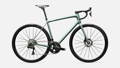
Le Specialized S-Works Aethos 2 domine le classement en tant que vélo de course de série à freins à disque le plus léger au monde. Ce modèle a été conçu avant tout pour l’expérience de pilotage, avec pour objectif d’éliminer chaque gramme superflu. Le cadre en taille 56 ne pèse que 595 grammes.
Ce poids exceptionnel est rendu possible grâce au carbone FACT 12r et à une conception révolutionnaire des tubes. Au lieu de formes aérodynamiques complexes, l’Aethos utilise des tubes ronds et fins qui répartissent idéalement les forces internes. Moins de couches de carbone sont donc nécessaires pour assurer la rigidité. Le vélo est également équipé de composants ultralégers comme les roues Roval Alpinist de seulement 1 131 grammes et une selle imprimée en 3D.
Trek Madone SLR Gen 8 (env. 6,5 kg)
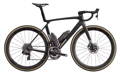
En 2026, le Trek Madone Gen 8 remplace officiellement la célèbre gamme Émonda comme vélo de grimpe ultime de la marque. Trek a réussi à combiner le profil aérodynamique du Madone avec la légèreté de l’Émonda, aboutissant à un modèle qui descend largement sous la limite UCI de 6,8 kg dans sa configuration la plus légère.
Le faible poids est rendu possible grâce au nouveau carbone OCLV 900 Series, plus solide et nécessitant moins de matériau. La technologie IsoFlow au niveau du tube de selle améliore le confort tout en réduisant le poids. Le vélo utilise aussi un cockpit intégré et des profils de tubes affinés pour réduire à la fois la traînée aérodynamique et le poids total.
Factor O2 VAM (env. 6,4 kg)
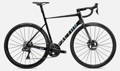
Le Factor O2 VAM reste une référence parmi les grimpeurs. Ce vélo est spécifiquement conçu pour dompter les cols les plus difficiles du Tour de France. Avec un cadre d’environ 700 grammes, il figure parmi les meilleurs au monde.
Factor atteint ce résultat grâce à l’utilisation de carbone T1000 et de fibres haut de gamme. Les tubes possèdent une épaisseur variable adaptée précisément aux zones de contrainte. Le vélo est souvent équipé des composants Black Inc, notamment un cockpit intégré et des roues ultralégères à rayons carbone.
Canyon Ultimate CFR (env. 6,4 kg)
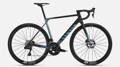
Le Canyon Ultimate CFR (Canyon Factory Racing) représente le sommet de l’ingénierie allemande. Ce vélo recherche l’équilibre parfait entre rigidité, aérodynamisme et poids. Dans sa version 2026, le montage le plus haut de gamme pèse environ 6,4 kg.
Le secret réside dans la structure du carbone. Canyon utilise des fibres à ultra-haut module normalement réservées à l’aérospatiale. Cela permet d’obtenir des parois extrêmement fines sans compromettre la rigidité nécessaire aux sprints puissants. Tous les câbles sont intégrés dans le cockpit CP0018 afin de réduire le poids et la résistance à l’air.
Giant TCR Advanced SL 0 (env. 6,6 kg)
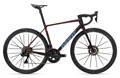
Le Giant TCR est une icône depuis trente ans, et la génération 2026 perpétue cette tradition. Avec un poids d’environ 6,6 kg, c’est le vélo le plus léger jamais produit par Giant.
Giant contrôle entièrement le processus de fabrication, du tissage des fibres de carbone à l’assemblage final. Le cadre utilise du carbone Advanced SL enrichi de nanotubes de carbone afin d’augmenter la résistance avec moins de matière. La tige de selle intégrée permet à elle seule d’économiser jusqu’à 45 grammes.
Conclusion
En 2026, les limites technologiques du carbone ont encore été repoussées. Alors que le Specialized Aethos 2 reste le roi incontesté de la légèreté pour les puristes, des modèles comme le Trek Madone Gen 8 et le Canyon Ultimate CFR montrent que légèreté et aérodynamisme vont désormais de pair. Que vous soyez grimpeur professionnel ou simple passionné de montagne, ce top 5 représente ce qui se fait de mieux pour défier la gravité.
FAQ
Pourquoi un vélo de course plus léger fait-il une telle différence ?
Un vélo plus léger demande moins d’énergie en montée, réagit plus rapidement lors des sprints et réduit la fatigue musculaire pendant les longues sorties.
Pourquoi l’UCI a-t-elle instauré un poids minimum de 6,8 kg ?
L’UCI a introduit cette limite afin d’améliorer la sécurité, de limiter les avantages technologiques coûteux et de maintenir les performances du coureur au centre de la compétition.
Quel est le vélo de course de série le plus léger en 2026 ?
Le Specialized S-Works Aethos 2 est considéré comme le vélo de course de série à freins à disque le plus léger, avec un poids d’environ 5,9 kg.